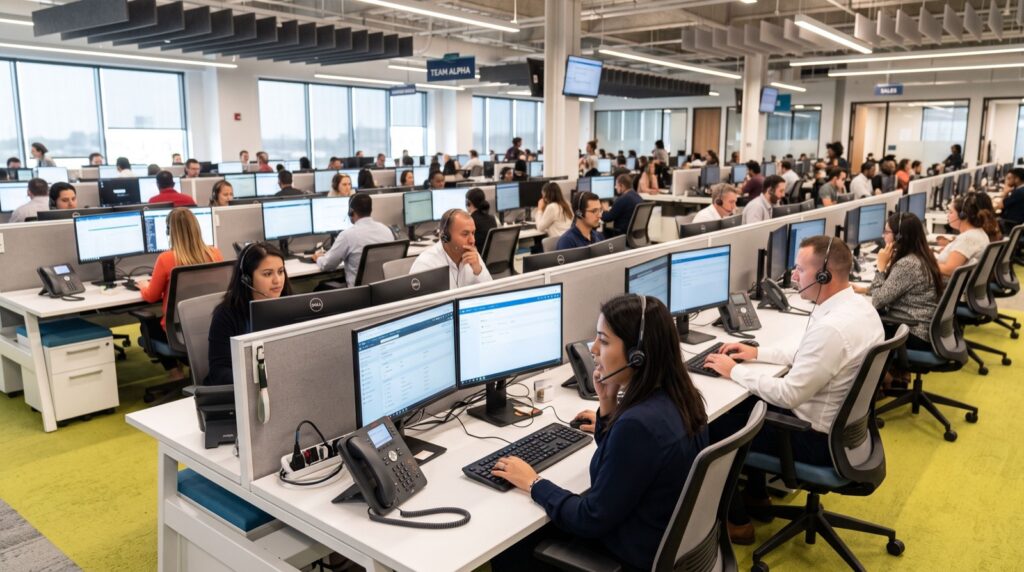
The humble desk phone is getting a screen, a camera, and a brain. Across Pakistan, offices that once treated telephony as a plain voice utility are now installing a smart video phone on every executive desk, because a single device that handles calls, video meetings, door intercoms, and Android apps simply earns its place. In 2026, with hybrid schedules now standard at banks, software houses, and import-export firms from Clifton to DHA, the ability to jump from a voice call into a face-to-face conversation without opening a laptop has moved from luxury to expectation.
This guide explains what a smart video phone actually does, where it beats both a traditional handset and a laptop webcam, and how to evaluate one before you spend a rupee. We will use the Fanvil V67 as our reference device, look at real specifications, and finish with a practical rollout checklist you can hand to your IT team this week.
Why Are Smart Video Phones Taking Over Pakistani Offices?
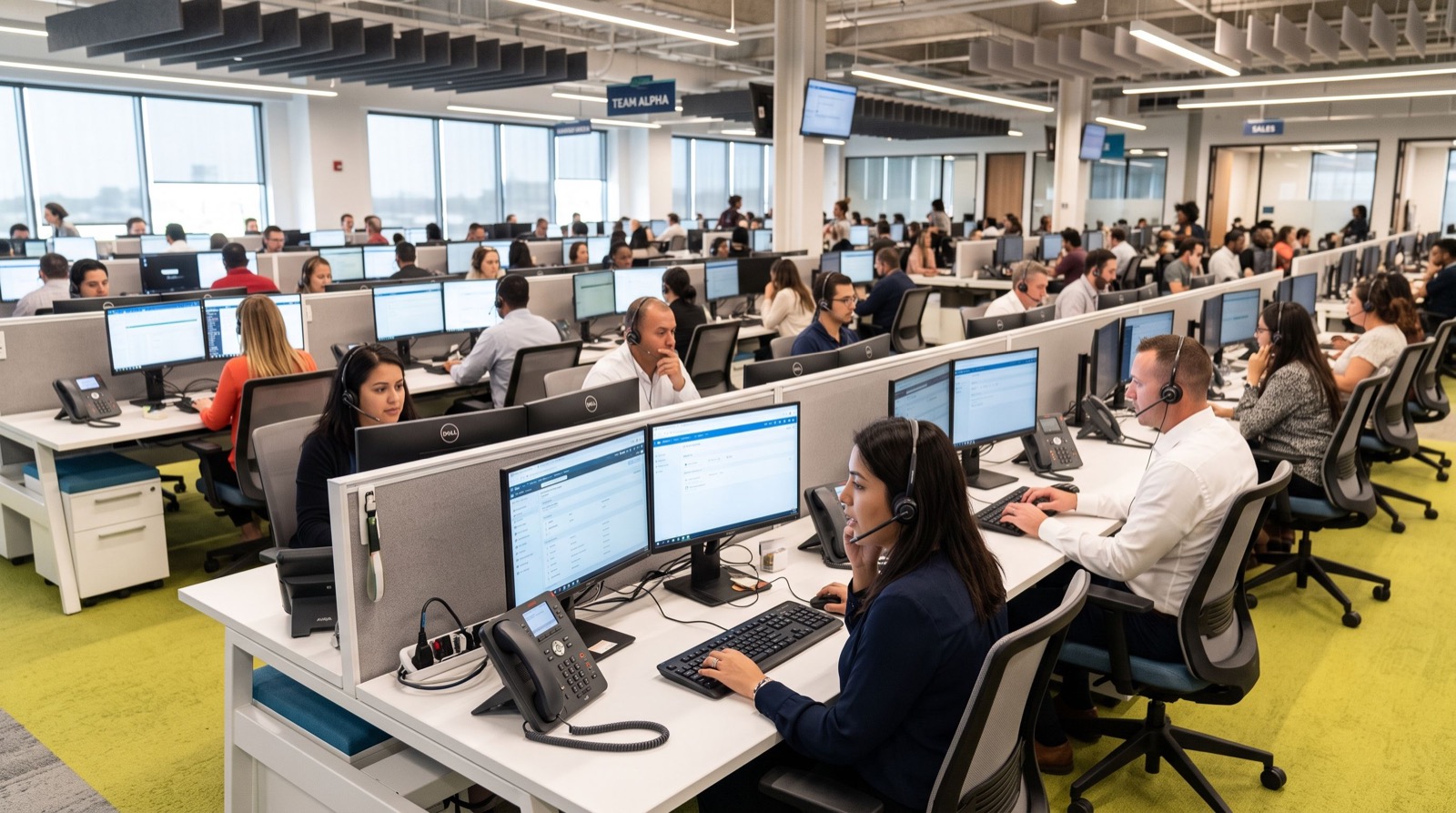
Three forces converged at once. Fiber broadband kept spreading through Karachi, Lahore, and Islamabad, giving offices the stable upstream bandwidth that video telephony demands. Hosted PBX providers matured, so companies stopped buying bulky on-premise switchboards. And remote work refused to fade, which meant every manager needed a dependable way to see suppliers, branch staff, and overseas clients on demand.
A laptop can do video, of course, but it competes with email, spreadsheets, and forty browser tabs. A dedicated device sits ready at arm’s reach, answers on one touch, and never asks you to update drivers mid-meeting. Firms sourcing fanvil ip phones in Karachi report that executives who resisted softphone apps for years adopted touchscreen video units within days, mostly because the experience feels like using a tablet rather than configuring software.
What Makes a Video Phone “Smart”?
The word smart is doing real work here. These are Android-powered endpoints, not just handsets with a camera bolted on.
An operating system, not firmware alone
Running Android means the device can host apps: Zoom Rooms clients, CRM dashboards, attendance software, even a browser for quick lookups. Your phone becomes a small workstation that happens to excel at calls.
Touchscreen-first interaction
Instead of memorizing star codes, staff swipe through contacts, tap to transfer, and drag participants into conferences. Training time for new hires drops to almost nothing.
Integration with building systems
Modern units pull video feeds from SIP door phones and IP cameras. A receptionist can see who is at the gate, speak to them, and unlock the door from the same screen used for customer calls.
Fanvil V67 at a Glance: Specifications That Matter
The flagship model in Fanvil’s video lineup illustrates what top-tier hardware now offers. The Fanvil V67 Flagship Smart Video Phone pairs a large touchscreen with an adjustable camera and enough SIP capacity for the busiest executive suite.
| Feature | Fanvil V67 | Typical Mid-Range Video Phone | Basic IP Handset |
|---|---|---|---|
| Display | 12.1-inch adjustable touchscreen | 7-inch fixed touchscreen | 2.8-inch mono LCD |
| Camera | 8 MP, adjustable, privacy shutter | 2 MP fixed | None |
| Operating system | Android 12 | Android 9 or proprietary | Proprietary firmware |
| SIP lines | 20 | 6 to 10 | 2 |
| Wireless | Dual-band Wi-Fi 6 plus Bluetooth | Wi-Fi 5 | Usually wired only |
| Best suited for | Executives, boardrooms, reception | Team leads | General staff desks |
Full datasheets for the entire video series are published on the Fanvil global site, which is worth bookmarking when you compare firmware capabilities across models.
Five Situations Where Video Endpoints Pay for Themselves
- Supplier negotiations abroad: reading facial reactions during price discussions with Chinese or Gulf partners changes outcomes.
- Multi-branch management: a Karachi head office can hold morning huddles with Faisalabad and Multan branches without booking a meeting room.
- Recruitment interviews: HR screens candidates on a purpose-built device while keeping the laptop free for notes and scorecards.
- Reception and security: visitor verification through door phone feeds cuts unauthorized walk-ins.
- Telehealth and consultancy: clinics and law firms bill remote sessions that feel closer to in-person meetings.
How Should You Plan a Smart Video Phone Rollout?
Buying hardware is the easy part. A smooth deployment follows a sequence, and skipping steps is how projects stall. Vendor selection deserves the same care you would apply to any infrastructure purchase; homeowners comparing solar systems lean on an experienced local team before committing, and telephony buyers should demand equivalent hands-on guidance from their supplier.
- Audit your bandwidth. Budget roughly 1.5 Mbps of symmetric headroom per simultaneous HD video call, on top of existing usage.
- Enable PoE where possible. Power over Ethernet keeps desks tidy and lets one UPS in the server room protect every endpoint during load-shedding.
- Segment voice traffic. A dedicated VLAN with QoS tagging prevents a large file download from freezing the CEO’s client call.
- Pilot with five users. Choose one executive, one receptionist, and three heavy callers; gather feedback for two weeks before scaling.
- Document the dial plan. Write down extensions, ring groups, and video conference room numbers so onboarding never depends on one IT person’s memory.
Frequently Asked Questions
Does a smart video phone work with my existing PBX?
Almost certainly yes, provided the PBX speaks standard SIP. Platforms such as 3CX, FreePBX, Yeastar, and most hosted providers in Pakistan register Android video endpoints exactly like ordinary extensions, and video between compatible devices negotiates automatically.
How much internet speed does video calling really need?
A single 1080p call typically consumes 1 to 2 Mbps in each direction. A 20 Mbps fiber connection comfortably supports several simultaneous video sessions alongside normal office browsing, though upload capacity is the figure to check on asymmetric packages.
Is the camera a privacy risk in the office?
Quality units include a physical privacy shutter that blocks the lens mechanically, so no software bug can stream video without consent. Administrators can also disable video per extension through the provisioning server.
Can these devices survive frequent power cuts?
Yes, when powered through PoE switches backed by the server room UPS. The endpoints draw modest wattage, so even a mid-sized battery bank keeps an entire floor of phones alive through a typical outage.
Conclusion: Put a Screen on Every Important Desk
The business case is no longer speculative. A smart video phone consolidates the desk handset, the meeting webcam, and the door intercom monitor into one reliable appliance, and 2026 pricing has brought flagship hardware within reach of mid-sized Pakistani companies. Start with a small pilot, measure how often your team actually uses video, and expand from there. Request a demonstration of the V67 today and judge the screen, the camera, and the call quality with your own eyes before your competitors do.