Frozen Storage in 2026: A Practical Cold-Chain Guide
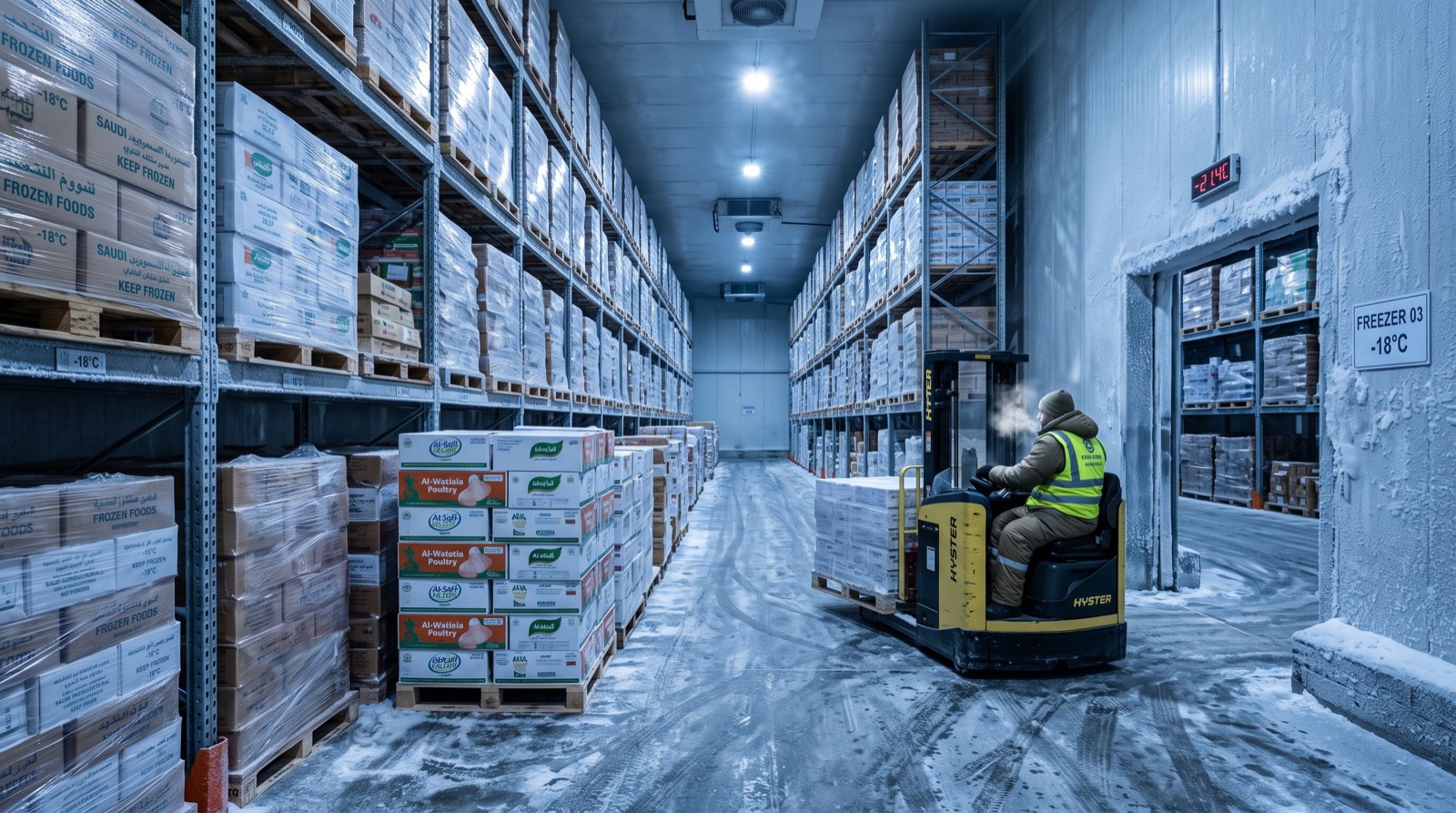
Frozen storage keeps perishable goods safe, saleable, and legally compliant from the moment they leave production to the moment they reach a customer. In 2026, with demand for frozen food, seafood, and temperature-sensitive products climbing across Saudi Arabia, running a reliable deep-freeze operation is no longer optional; it is the backbone of a modern cold chain.
This guide explains how frozen storage works, why the numbers on the thermometer matter so much, and how to choose a facility that protects your stock. It also looks at a surprising neighbour of the cold chain: the fashion industry, which relies on many of the same warehousing disciplines.
Why Frozen Storage Sits at the Heart of the Cold Chain
Frozen storage holds products at or below minus eighteen degrees Celsius, the point at which most bacterial growth stops and enzyme activity slows to a crawl. Break that temperature, even briefly, and you shorten shelf life or spoil the batch entirely.
The Food and Agriculture Organization stresses that an unbroken cold chain is essential to cut food loss and protect public health, a point it makes clearly in its work on food loss and waste. Every gap in that chain, from a warm loading dock to a slow freezer, chips away at product value.
Serving High-Demand Regions
Industrial hubs need industrial-grade cold rooms. Dedicated Frozen Storage in Dammam gives food importers, seafood traders, and distributors the sub-zero capacity they need close to ports and highways. Location near transport links keeps transit times short, which is exactly what a fragile cold chain demands.
The Temperature Bands You Must Know
Not all cold is equal. Different products demand different bands, and mixing them carelessly wastes energy or ruins stock. Use this reference when you plan zones:
| Storage Type | Temperature Range | Typical Products |
|---|---|---|
| Deep frozen | -25°C to -18°C | Ice cream, seafood, meat |
| Standard frozen | -18°C to -12°C | Frozen vegetables, ready meals |
| Chilled | 0°C to 4°C | Dairy, fresh produce |
| Cool ambient | 10°C to 15°C | Chocolate, some cosmetics |
Keep deep-frozen and standard-frozen zones separate. Every time a door opens on a warmer band, it should not compromise your most sensitive minus twenty-five stock.
How Do You Keep Frozen Storage Reliable?
Reliability comes from systems, not luck. A well-run freezer facility follows a disciplined routine that catches problems before they spoil product. Build your operation around these steps:
- Monitor temperature continuously with alarmed digital sensors, not manual spot checks.
- Fit backup power so a grid outage never thaws your stock.
- Use rapid-close doors and air curtains to limit warm-air ingress.
- Schedule preventive maintenance on compressors and seals.
- Train staff to load, rotate, and pick without long door-open times.
Data logging is your insurance policy. If a customer or auditor questions a batch, a clean temperature record proves the cold chain never broke. In 2026, many buyers demand this proof before they accept a delivery.
Energy Efficiency Without Compromise
- Insulate walls and floors to slash compressor workload.
- Defrost on a smart schedule to keep evaporators efficient.
- Group fast-moving stock near doors to shorten picking trips.
- Use LED lighting that adds almost no heat to the room.
The Cold Chain Meets Fashion Warehousing
It may seem odd, but frozen-storage operators and fashion brands share a warehousing mindset: both obsess over environment, cleanliness, and careful handling. Textiles hate damp and pests, while apparel logistics demands the same tight inventory control as food.
Specialist Storage for the Fashion Industry protects garments from humidity, dust, and crushing, much as a cold room protects food from heat. Brands that run seasonal drops need fast, organised access, and a warehouse built for discipline delivers exactly that.
The lesson is simple: whether you store salmon or silk, the fundamentals of climate control, hygiene, and traceability carry across industries.
Retailers increasingly want a single warehousing partner who can hold both their frozen inventory and their apparel lines under one contract. Consolidating suppliers cuts admin, simplifies billing, and gives you one point of contact when a shipment needs urgent attention during a busy season.
Choosing a Frozen Storage Partner
Selecting a facility is a decision you cannot easily reverse once your stock is inside. Weigh temperature reliability, backup power, location, and food-safety certification above headline price. A cheap freezer that fails once can cost more than a year of premium rent.
Work with an experienced local team that can show live monitoring, documented maintenance, and clear contingency plans. Ask how quickly they respond to a temperature alarm at 3 a.m., because that answer reveals how seriously they take your inventory.
Proximity to ports and highways is a deciding factor for importers. A facility near Dammam’s logistics corridor keeps transit legs short, which reduces the number of temperature-critical touchpoints between vessel and cold room. Fewer touchpoints mean fewer chances for the cold chain to break.
One insight worth remembering: the loading dock is where most cold chains actually fail, not the freezer itself. Insist on a temperature-controlled or fully enclosed dock so product never sits in ambient heat while it waits for a truck. It is a detail many operators overlook, and it separates a good facility from a great one.
Red Flags to Avoid
- No backup generator or untested standby power.
- Manual temperature checks instead of continuous logging.
- Overloaded rooms with blocked airflow around evaporators.
- Vague or missing food-safety certification.
Frequently Asked Questions
What temperature is required for frozen storage?
Most frozen goods must stay at or below minus eighteen degrees Celsius. Deep-frozen items such as ice cream and seafood often need minus twenty-five to preserve texture and safety over long periods.
What happens if the cold chain breaks?
Even a short temperature rise lets bacteria and enzymes reactivate, cutting shelf life and risking spoilage. Repeated thaw-refreeze cycles damage texture and can make food unsafe, so continuous monitoring is essential.
How important is backup power for a freezer facility?
It is critical. A grid outage without backup can thaw an entire warehouse within hours. A tested standby generator keeps compressors running and protects your stock and your compliance record.
Can one facility handle frozen food and fashion stock?
Yes, when it offers separate zones. Frozen rooms serve food, while dry, climate-controlled areas protect apparel. Both rely on the same disciplines of environmental control, hygiene, and accurate inventory tracking.
Final Thoughts
Dependable frozen storage protects your product, your customers, and your reputation. Hold the right temperature, log every reading, plan for outages, and choose a partner who treats your cold chain as seriously as you do. Apply the steps in this 2026 guide, and your frozen inventory will arrive exactly as it left the production line: safe, fresh, and ready to sell.